

Nursing 2027
Croatian Institute of Public Health, Croatia (Hrvatska)
Title : From Health Education to Health Behaviour: The Role of Nurses in Promoting Healthy Lifestyle Across the Life Course
Abstract:
Background:
The global burden of non-communicable diseases (NCDs) is strongly influenced by modifiable behavioural risk factors, including physical inactivity, unhealthy dietary patterns, sedentary behaviour and inadequate sleep. Although health education is an essential component of disease prevention, providing information alone does not necessarily translate into sustained behavioural change. There is an increasing need for evidence-based approaches that integrate health education, behavioural support and the social and environmental determinants of health.
Aim:
This presentation aims to examine the role of nurses in translating evidence on healthy lifestyle behaviours into effective health promotion and disease prevention strategies across the life course, with particular emphasis on physical activity and dietary behaviours, including regular breakfast consumption.
Discussion:
Nurses represent one of the largest and most accessible health professional groups and have a unique opportunity to influence health behaviours through patient education, counselling, prevention programmes and continuous interaction with individuals, families and communities. Early establishment of healthy behaviours is particularly important, as lifestyle patterns developed during childhood and adolescence may persist into adulthood and contribute to the future risk of obesity, cardiovascular disease, type 2 diabetes and other NCDs.
Physical inactivity and prolonged sedentary behaviour are increasingly recognised as important public health challenges. At the same time, dietary behaviours such as breakfast skipping may reflect broader patterns of unhealthy eating, irregular daily routines and socioeconomic and environmental determinants. Addressing these behaviours therefore requires an integrated approach rather than focusing on individual lifestyle choices in isolation.
The presentation will explore the evidence linking lifestyle behaviours with health outcomes and discuss how nurses can incorporate brief, evidence-based health promotion interventions into routine practice. Particular attention will be given to health literacy, motivational communication, behavioural counselling and the use of family-, school- and community-based approaches. Examples of practical strategies for supporting sustainable behaviour change will be presented.
Conclusion:
Moving from health education towards effective behaviour change represents an important opportunity to strengthen the contribution of nursing to population health. By combining epidemiological evidence with patient-centred communication and preventive interventions, nurses can play a central role in reducing modifiable risk factors and supporting healthier trajectories across the life course. Strengthening nurses' competencies in lifestyle counselling and health promotion should therefore be considered an integral component of contemporary preventive healthcare.
Biography:
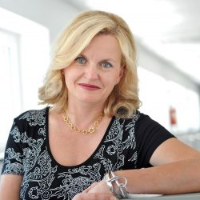
Dijana Mayer was born in Croatia. In 1996, she graduated from the Medical School of the University of Zagreb and gained the academic title of MD. Since 2005, she has been employed at the Croatian Institute for Public Health, in the School for Adolescent and Primary Medicine and Prevention of Addiction. Since 2006, she has been the national coordinator of the WHO project on the Global Youth Tobacco Survey. She participates in publications, various domestic and international congresses and conferences, and holds lectures and workshops.In 2010, after completing specialist training and passing the specialist examination, she gained the title of Specialist in Epidemiology. In 2015, she defended her doctoral thesis and acquired the title of Doctor of Philosophy. Since 2023, she has held the position of Assistant Professor at the Faculty of Medicine and in the Nursing and Midwifery programs at the Catholic University of Croatia, where she teaches Epidemiology, Public Health and Health Care Organization, Hygiene, and Social Medicine.