


DHN 2027
Ibn zohr university, Morocco
Title : Analysis of the gut microbiota in Moroccan children with celiac disease
Abstract:
Background and objective: Celiac disease is a major public health problem, and alterations in the gut microbiota appear to play an important role in its development. The main objective of this study, conducted in a Moroccan population, was to examine the gut microbiota in patients with celiac disease.
Methods: The study included 30 children, including 15 patients with celiac disease and 15 healthy controls, with a mean age of 9.87 ± 2.49 years. Data were collected using a structured form and microbiological analyses of stool samples. Statistical analyses were performed using SPSS software.
Results: No significant differences were observed between the two groups in terms of overall intestinal flora. Salmonella and Shigella bacteria were not detected. The total number of germs, as well as the number of Enterobacteriaceae, E. coli, Streptococcus, and Staphylococcus, did not differ significantly between patients and controls (p > 0.05). In contrast, Clostridium counts were significantly higher in celiac patients. A tendency toward higher Lactobacillus levels was noted in healthy controls compared to patients. Furthermore, the absence of eggs, vegetative forms, or worm larvae ruled out major parasitic infestations, although a slight presence of Blastocystis hominis cysts was observed in two celiac patients and one healthy control.
Conclusion: These results suggest relative stability of the intestinal flora in the children studied. However, the methods used provide a limited view of the microbiota. To better understand its role in celiac disease, more in-depth analyses, such as microbial DNA sequencing, are needed.
Biography:
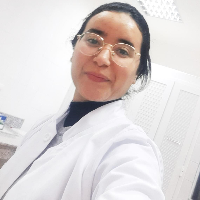
Dr. Hasna Ait Said is an academic and researcher affiliated with Ibn Zohr University, Morocco. She is actively involved in teaching and research in her area of specialization, contributing to higher education and scholarly development. Her work reflects a strong commitment to academic excellence, research innovation, and mentoring students in university-level programs.