


Surgery 2026
Touro University Nevada, USA
Title : Anaesthetic Challenges for Palliative Partial Hepatectomy from Neuroendocrine Tumors: A Case Report and Review of Current Anesthetic Strategies
Abstract:
The liver is a unique organ with regenerative properties. As such, patients are able to undergo partial hepatectomy for treatment of cancerous lesions with good success. Although complete resection is possible for numerous cancers, palliative hepatectomies for noncurative disease have increased in recent years. Despite the increased frequency there remains no definitive surgical or anaesthetic guidelines on managing such patients with significant variation between institutions and cohorts . Anaesthetic management of such patients can be challenging depending on severity of liver disease and patient associated comorbidities. Several scoring systems and preoperative assessment models such as MELD and Child-Pugh have been developed to risk stratify patients with liver disease . General anaesthetic considerations for patients undergoing hepatectomy are acute blood loss, electrolyte abnormalities, inadequate analgesia, pulmonary and cardiovascular monitoring, and coagulopathies . In our case report we review current anaesthetic recommendations for hepatectomy and present a 46-year-old male with primary neuroendocrine tumour from the rectum with metastasis to the liver, who underwent palliative partial hepatectomy for near complete filling mass of the abdomen.
Biography:
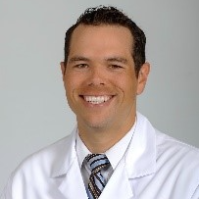
Smith completed his DO from Touro University Nevada
and surgical internship at Grand Strand Medical Center in Myrtle Beach South
Carolina. He is currently the Chief anesthesia resident at Vassar Brothers
Medical Center in Poughkeepsie, New York. He will be completing a fellowship in
Acute Pain and Regional Anesthesia at the University of Utah starting in
August.