

Address: Av. Diagonal, 161, 163, Sant Martí, 08018 Barcelona, Spain

Psychology Congress 2027
Martin-Luther-University Halle-Wittenberg, Austria
Title : Sarcopenia and Rehabilitation
Abstract:
The sensorimotor activity of endurance is primarily responsible for the infrastructure of blood supply and the safeguarding of energy supply (mitochondria, aerobic capacity) of tissue functions. Those of strength primarily for the contractile structure (eutrophy, hypertrophy) and the function and resilience of the passive musculoskeletal system (fixed connective tissue). Adaptations to endurance form the basis against atrophic and degenerative changes, including in the muscles, and are thus also involved in maintaining the contractility of the muscles. Sarcopenia, a chronic degenerative disease of muscle tissue characterized by the gradual, systematic loss of predominantly fast-twitch muscle fibers (motor units) and their replacement by fat and connective tissue, is no longer solely a result of the aging process but can occur at any age due to primary and secondary chronic physical inactivity, obesity, and a deficient diet. Accordingly, sarcopenia is a determining factor in disease status, prognosis, and treatment success in chronic diseases of the cardiovascular system, metabolism, rheumatic diseases, and the musculoskeletal system. In cancer, sarcopenia must be distinguished from the frequently overlapping cachexia (also decline of slow motor units!). Since there is currently no uniform definition or diagnostic standard, prevalence data varies considerably. Due to the diverse health-relevant functions of the muscular system, the development of sarcopenia is associated with reduced physical performance, cardiovascular and metabolic deconditioning, and neurodegenerative processes. These processes are based on well-known factors such as chronic inflammation, mitochondrial dysfunction, mitochondrial disease, oxidative stress, impaired protein synthesis, and the activity of degenerative signaling pathways. This also characterizes the fundamentally necessary preventive and therapeutic interventions against sarcopenia.
Biography:
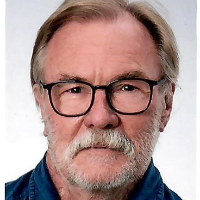
Wolfgang Laube is a specialist in sports medicine, physiology, and rehabilitation medicine. He completed his PhD in 1990 on the topic of neurovegetative regulation and muscle fatigue at the Humboldt University of Berlin. He is intensively involved with the topics of the sensorimotor system, the resilience of the musculoskeletal system, the effects of training, the integration of sensorimotor function and pain, and lack of exercise as a cause of chronic degenerative diseases, with the primary goal of active prevention and treatment. Several textbooks on these topics he has been published by Thieme and Springer. He is a lecturer at the University of Krems and a visiting scholar at the Martin Luther University of Halle/S.