
Address: Zone Hoteliere 2 Allee Du Verger Roissy En France, 95700, Paris, France

Neurology 2026
Royal College of Paediatrics and Child Health, UK
Title : Early clinical predictors of persistent neurodevelopmental difficulties in children with developmental concerns
Abstract:
Background: Children referred with concerns about their development present with a wide range of clinical profiles. For some, developmental difficulties improve with time and appropriate support, while for others they persist and have a significant impact on communication, learning, behaviour and everyday functioning. In clinical practice, it is often difficult to predict this trajectory at the first assessment. Early recognition of children who are likely to have persistent difficulties may allow more timely intervention and appropriate follow-up.
Aim: To examine which clinical and developmental features identified at the initial assessment are associated with persistent neurodevelopmental difficulties at follow-up.
Methods: We propose a retrospective review of children referred for assessment of developmental concerns. Information recorded at the first assessment will include age at presentation, developmental history, perinatal history, family history, developmental regression, language and communication skills, motor development, social interaction, behaviour, adaptive functioning and neurological examination findings. Relevant investigations, including hearing and vision assessment, neuroimaging, genetic investigations and EEG where clinically indicated, will also be reviewed.
Children will be followed according to available clinical records, with particular attention to their subsequent developmental progress, functional difficulties and need for ongoing intervention or multidisciplinary support.
The clinical variables identified at presentation will then be analysed to explore whether combinations of early findings can help identify children at higher risk of persistent developmental difficulties. Predictive modelling techniques will be used as an additional analytical tool, while interpretation will remain grounded in the clinical phenotype and developmental history.
Expected Findings: We expect that no single developmental measure will reliably predict outcome. A combination of early language and communication difficulties, abnormalities in social interaction, motor impairment, developmental regression and neurological findings may provide greater insight into subsequent developmental trajectory.
Clinical Relevance: The main value of this approach is not to replace clinical assessment, but to support it. A better understanding of early clinical predictors may help clinicians identify children who require closer developmental surveillance and earlier access to appropriate therapies and educational support.
Conclusion: Children presenting with developmental concerns should be assessed as individuals rather than according to a single developmental domain. Identifying early clinical features associated with persistent difficulties may improve the timing and targeting of intervention. Integrating structured clinical information with appropriate predictive methods could provide a useful additional tool in routine neurodevelopmental practice.
Keywords: Neurodevelopmental disorders, developmental delay, developmental trajectory, developmental assessment, early intervention, paediatric neurology, neurodisability.
Biography:
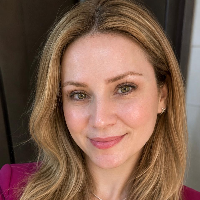
Dr. Nour Elias is a resident in pediatric neurology and neurodisability (currently in progress), specializing in neurodevelopmental pediatrics, and is currently preparing for her Master’s degree in Pediatric Neurology at the University of Sheffield. She earned her Doctor of Medicine (MD) from the Gilbert and Rose-Marie Chagoury University and holds a Higher Diploma in Healthcare Management from Paris. She is currently pursuing a Postgraduate Diploma in Pediatrics with the Royal College of Physicians of Ireland (RCPI - in progress) and a Diploma in Pediatric Neurodisability with the British Academy of Childhood Disability (BACD). Dr. Elias is an international member of the Royal College of Paediatrics and Child Health (RCPCH) and a member of BACD.
Dr. Nour Elias is a resident in pediatric neurology and neurodisability (currently in progress), specializing in neurodevelopmental pediatrics, and is currently preparing for her Master’s degree in Pediatric Neurology at the University of Sheffield. She earned her Doctor of Medicine (MD) from the Gilbert and Rose-Marie Chagoury University and holds a Higher Diploma in Healthcare Management from Paris. She is currently pursuing a Postgraduate Diploma in Pediatrics with the Royal College of Physicians of Ireland (RCPI - in progress) and a Diploma in Pediatric Neurodisability with the British Academy of Childhood Disability (BACD). Dr. Elias is an international member of the Royal College of Paediatrics and Child Health (RCPCH) and a member of BACD.