
Address: Zone Hoteliere 2 Allee Du Verger Roissy En France, 95700, Paris, France

Neurology 2026
Queen Mary University, University Of London, USA
Title : Dementia: Forging Forward On Brain Health
Abstract:
Cognitove Decline Is Complex and Heterogeneous Condition:
AI and Age-Tech Innovations Continue To Create Excitement but the Prevention is Still Hinged on Addressing the Modifiable Risks The Cognitive health continue to emerge as the major global public health priority. The intersection of memory and politics, as we witnessed in the U.S. presidential debates underscores the urgent need for a radical rethinking of brain health. The theme of this year's World Economic Forum's annual meeting in Davos highlighted brain health as the most pressing public health priority in the coming decade. Significant milestones have been achieved since Robert Terry and Henry Wisniewski published groundbreaking work in which they defined Alzheimer's disease as a condition rather than a mere consequence of aging. However, despite the progress, the incidence and prevalence of late onset Alzheimer's disease and related dementias continue to rise.According to Alzheimer's Disease International, dementia is one of the major causes of disability and dependency among older individuals, with projections indicating that cases will triple by 2050. Dementia is a complex condition with a multi-factorial etiologies. It presents with a pro-dromal phase that impedes early diagnosis and intervention. Recent advances in disease-modifying therapies, longitudinal clinical biomarkers and molecular imaging has allowed clinicians to track disease progression and tailor care management. The ongoing clinical trials investigating Blarcamesine for early-stage Alzheimer's disease has provided some insights into its potential to slow cognitive decline. However, in the absence of a broader and more reliable pharmaceutical interventions, identifying at-risk individuals and addressing the modifiable risk factors remains the most prudent prevention strategy. These risk factors (ie; cardiovascular disease, diabetes, obesity, sedentary lifestyle, excessive alcohol consumption, social isolation, hearing impairment, brain injuries, and low educational attainment) collectively accounting for approximately 40% of dementia cases worldwide.
AI and Data Mining continue To Transform Dementia's Treatment and Care :
The intersection of aging and technology is where artificial intelligence (AI) and machine learning are emerging as powerful tools to enhance brain health. Despite the the AI's potential in improving the quality of life for older adults, the ageism and the uneven access continue to hinder its full utilization. AI's ability continues to expand in harnessing the preexisting data form aging biology, neurobehavioral, commodities, and clinical geroscience in order to address the challenges of delayed dementia diagnosis and to improve disease monitoring. Combining various data sources including biomarkers, amyloid PET, MRI scans, and non-imaging demographic and cognitive measures (linguistic and gait analysis) potentially can enhance clinicians' confidence in early dementia detection. The cognitive assistive technologies, (ie: smartphones, wearable devices, gadgets) are revolutionizing dementia care. These innovations support daily living activities for individuals with dementia and to some extent alleviating caregiver burden. Nonetheless the financial strain of dementia care-giving is staggering, with annual costs exceeding $1 trillion globally. The rapid proliferation of cognitive assistive technology has sparked ethical concerns regarding privacy, data ownership, risk, and individual rights are key obstacles that warrant societal debate.
Rethinking Aging Productivity and Cognitive Reserve
Our understanding and conceptualization of of dementia remains inadequate, as it is rooted in an evolving but incomplete grasp of its complex heterogeneity. Addressing the brain health and dementia requires a paradigm shift in how society perceives aging, longevity, and productivity. Alongside the AI enhanced diagnostics, the role of environmental and social factors in dementia prevention must not be underestimated. Today more than ever Jean-Paul Sartre's famous phrase that "existence precedes essence" resonates when addressing person-hood, self-hood, and memory ownership. The research evidence has shown that lifetime social participation can enhance cognitive reserve and delay dementia therefore addressing social and epidemiologicaly environmental determinants is and economically relevant. A comprehensive approach that integrates diagnostic advancements, lifestyle interventions, and personalized therapies will transform early detection, prevention, and long-term dementia care.
The Cross-Cultural Representations of Dementia:
Brain Health Equity, Stigma, and Neurodiversity The dementia and brain health perceptions vary significantly across "dementia" cultures while historically, was synonymous with intellectual deterioration and the loss of occupational and social capacities. Defining dementia solely through cognitive and behavioral symptoms limits research scope and understanding. The DSM-5's replacement of "dementia" with "Major Neurocognitive Disorder" reflects a shift in conceptualizing neurodegenerative diseases. A number of S global strategies have began to challenge stereotypes and misconceptions surrounding dementia and have lead to a public health shift toward addressing these barriers. The growing "citizenship" perspective acknowledges people with dementia as active participants in society rather than passive recipients of care, while the neurodiversity movement challenges the neurotypical gaze by exploring variations in cognitive, sensory, and emotional functioning. Dementia research must incorporate these emerging critical perspectives to investigate stigma and marginalization. Finally, the dementia research should continue to embrace technological advancements and address modifiable risk factors, while attempting to integrate social and cultural determinants of brain health. AI and big data hold promises for early detection and monitoring, while cognitive assistive technologies offer support for patients and caregivers. However, major ethical considerations such as equity, and inclusivity must remain at the forefront of dementia discourse. A holistic, cross disciplinary approach that merges medical, technological, and social strategies will be essential in reshaping not only the public perception but also how we provide care for the aging population with dementia.
Biography:
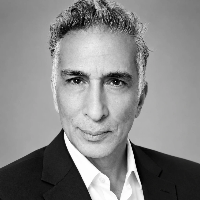
Dr. Massod Vadiee is a pioneering interdisciplinary physician-scientist operating at the seamless intersection of geriatric neurology, aging, and public health. Rather than treating these fields as distinct silos, Vadiee actively addresses the critical friction points where biological senescence, neurological decline, and healthcare delivery collide. By bridging the gap between benchside biomedical research and bedside clinical practice, he translates geroscience into precise clinical protocols engineered to mitigate cognitive and functional decline. As a fierce champion for vulnerable demographics, Dr. Vadiee pioneered the paradigm of functional ,neuroequity,expert patient programs as an urgent mandate to build care models that protect the functional independence and dignity of diverse aging populations.
As an internationally recognized health policy expert, his strategic approach is profoundly shaped by years of frontline patient care and the structural vulnerabilities he witnessed firsthand during the COVID-19 and HIV/AIDS pandemics. His insights extend globally into systemic public health reform and pandemic preparedness, where he architects proactive policy frameworks designed to fortify healthcare infrastructure and safeguard at-risk populations against future health crises.
Dr. Vadiee’s elite academic and clinical pedigree spans the United States and Europe. He earned a Bachelor of Science (B.Sc.) in biopsychology from the University of Texas, followed by a Doctor of Medicine (M.D.) via the Advanced M.D. Program at Poznan University of Medical Sciences, complemented by capstone clinical training at Baylor College of Medicine. He further advanced his training at the Jagiellonian University Medical College, completing graduate medical education in internal medicine, geriatrics, and gerontology alongside a Ph.D. in biomedicine and public health. Elevating his expertise in systemic healthcare delivery, Dr. Vadiee completed a postdoctoral fellowship in chronic care medicine and comorbidity at Queen Mary University of London.
A widely published researcher and academic editor, his work appears in prominent clinical and public health journals, includingEuropean Geriatric Medicine. His scholarship focuses heavily on the intersections of aging, frailty, and movement disorders, as well as the optimization of care delivery for patients navigating complex chronic comorbidities and cognitive conditions.