
Address: Zone Hoteliere 2 Allee Du Verger Roissy En France, 95700, Paris, France

Neurology 2026
Queen Mary University, University Of London, USA
Title : Bedside pre- and postoperative care among patients with parkinson’s dementia: Observations, vigilance, and interventions—A scoping review
Abstract:
Introduction and Objective: There remains a narrow scope and depth in the literature reporting on the impact of in-hospital surgical operations on patients with suspected cognitive decline or pre-existing dementia. Long-term epidemiological studies have not conclusively proven a direct causal link between surgery and the development of permanent neurodegenerative diseases, nor whether surgery accelerates underlying dementia. Nonetheless, for patients with a pre-existing diagnosis of dementia, the evidence is highly conclusive: Undergoing major surgery leads to the depletion of cognitive reserve, significantly higher rates of undesirable surgical outcomes—such as postoperative delirium and dementia (PODD)—and impeded recovery complications that collectively increase mortality risk. The objective of this scoping review is to systematically map the literature, core concepts, and existing gaps in evidence regarding the challenges of pre- and postoperative clinical care in patients with Parkinson’s dementia.
Methods, Search Strategy, and Eligibility Criteria: This review follows the Preferred Reporting Items for Systematic Reviews and Meta-Analyses extension for Scoping Reviews (PRISMA-Scoping Reviews) reporting guidelines. Evaluated sources focused specifically on patients diagnosed with Parkinson’s dementia undergoing in-hospital surgical operations.A comprehensive search strategy was utilized across the Scopus and PubMed databases for literature published from 2020 to 2026. The initial search yielded 145 unique records. The dominant focus throughout the selected literature centered on pre- and postoperative care strategies and clinical management protocols that are critical and crucial in preventing further postoperative cognitive decline.
Conclusions: While gaps persist in the evidence regarding specific postoperative risks associated with cognitive decline among general dementia patients undergoing operations, a growing body of literature points to considerably higher risks for patients with Parkinson’s dementia. These patients possess unique clinical baselines that heavily influence their postoperative recovery trajectory. Current consensus indicates that clinical practice should direct further research toward bridging these knowledge gaps to establish robust, evidence-based best practices addressing the pre and post operative challenges.
Biography:
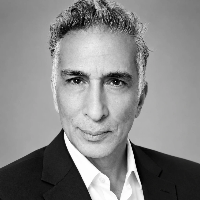
Dr. Massod Vadiee is a pioneering interdisciplinary physician-scientist operating at the seamless intersection of geriatric neurology, aging, and public health. Rather than treating these fields as distinct silos, Vadiee actively addresses the critical friction points where biological senescence, neurological decline, and healthcare delivery collide. By bridging the gap between benchside biomedical research and bedside clinical practice, he translates geroscience into precise clinical protocols engineered to mitigate cognitive and functional decline. As a fierce champion for vulnerable demographics, Dr. Vadiee pioneered the paradigm of functional ,neuroequity,expert patient programs as an urgent mandate to build care models that protect the functional independence and dignity of diverse aging populations.
As an internationally recognized health policy expert, his strategic approach is profoundly shaped by years of frontline patient care and the structural vulnerabilities he witnessed firsthand during the COVID-19 and HIV/AIDS pandemics. His insights extend globally into systemic public health reform and pandemic preparedness, where he architects proactive policy frameworks designed to fortify healthcare infrastructure and safeguard at-risk populations against future health crises.
Dr. Vadiee’s elite academic and clinical pedigree spans the United States and Europe. He earned a Bachelor of Science (B.Sc.) in biopsychology from the University of Texas, followed by a Doctor of Medicine (M.D.) via the Advanced M.D. Program at Poznan University of Medical Sciences, complemented by capstone clinical training at Baylor College of Medicine. He further advanced his training at the Jagiellonian University Medical College, completing graduate medical education in internal medicine, geriatrics, and gerontology alongside a Ph.D. in biomedicine and public health. Elevating his expertise in systemic healthcare delivery, Dr. Vadiee completed a postdoctoral fellowship in chronic care medicine and comorbidity at Queen Mary University of London.
A widely published researcher and academic editor, his work appears in prominent clinical and public health journals, includingEuropean Geriatric Medicine. His scholarship focuses heavily on the intersections of aging, frailty, and movement disorders, as well as the optimization of care delivery for patients navigating complex chronic comorbidities and cognitive conditions.