

IOVS 2027
UNE College of Osteopathic Medicine, USA
Title : Sustained Visual Correction and Lenticule Stability Seven Years After Human Allograft Lenticule Implantation for High Hyperopia
Abstract:
Introduction: Patients with high degrees of hyperopia are often ineligible for laser in-situ keratomileusis, photorefractive keratectomy, and phakic intraocular lens placement among other more common corrective procedures. An alternative surgical option for patients with high degree hyperopia is lenticule intrastromal keratoplasty (LIKE). Implantation of a donor lenticule into hyperopic corneas have been reported in
China, India, and the USA since the early 2020’s however, limited reports have demonstrated long-term outcomes of such procedure.
Case Presentation: This report presents the visual and refractive correction of a 33-year-old female seven years after the LIKE procedure. The patient endorsed a 9 D change from hyperopic to myopic spherical power within the first six months of treatment. After seven years her corneal metrics and refractions have mostly stabilized and manifest refraction remains myopic. Post procedural complications included flap necrosis, epithelial ingrowth, and eye dryness. The authors discuss long-term lenticule stability, visual correction, as well as alternate methods for lenticule implantation.
Conclusion: This case presents the first LIKE procedure performed in the USA and follows treatment outcomes over a seven-year period. Lenticule implantation for hyperopia is an emerging procedure which may provide sustained refractive correction with this case demonstrating long-term structural and refractive stability. While LIKE presents a potential corrective option for those with high hyperopia, more research is necessary to determine optimal surgical techniques and processes to limit adverse effects and optimize patient outcomes over a long-term period.
Biography:
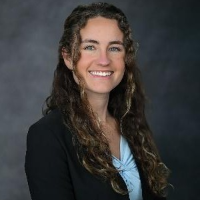
Melissa Browne is a medical student with particular interest in expanding access to rural and international healthcare. She has participated in medical missions providing Ophthalmologic care to patients in Guatemala. During her undergraduate education she volunteered at clinic for underserved populations in Salt Lake City, Utah providing free eye exams and glasses. She has research experience in Dry Eye Disease, Cornea, and Refractive Surgeries and was awarded the Peter Morgane Research Fellowship for her work. Outside of medicine Melissa has experiences in outdoor recreation leading backpacking trips across Utah, adaptive ski instructing, and volunteering as a ski patroller in Montana.