Address: Hans-Grade-Allee 5, 12529 Schonefeld b. Berlin, Germany

Nano 2026
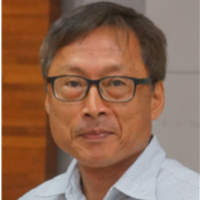
National Cheng Kung University, Taiwan
Title : Alternative testing strategies for nanomaterials safety assessment: From mechanistic studies to regulatory needs
Abstract:
Nanotechnology has driven rapid innovation in industrial and consumer products, yet concerns remain regarding the potential health risks associated with nanomaterial (NM) exposure. Traditional NM toxicity assessment relies heavily on animal testing, raising ethical and scientific concerns and underscoring the need for alternative approaches consistent with the 3Rs principles. However, the lack of standardized non-animal methods necessitates a deeper understanding of NM-induced toxic mechanisms and adverse outcome pathways (AOPs) to support the development of new approach methodologies (NAMs). Recent evidence identifies autophagy dysfunction as a critical key event in NM-induced toxicity. Our studies demonstrate that silver nanoparticles (AgNPs) and zinc oxide nanoparticles (ZnONPs) disrupt autophagic processes, contributing to downstream adverse outcomes. In particular, co-exposure of keratinocytes to UVB irradiation and ZnONPs induces lysosomal impairment and autophagy dysfunction, leading to increased exosome release. These exosomes are subsequently taken up by macrophages, promoting M1 polarization and enhanced inflammatory responses. Elucidating NM-induced autophagy-related AOPs provides a mechanistic basis for advancing NAMs and supports more ethical, efficient, and biologically relevant nanotoxicity assessment strategies.
Biography:
Ying-Jan Wang is a Distinguished Professor in the Department of Environmental and Occupational Health, College of Medicine, National Cheng Kung University. His research focuses on the molecular mechanisms underlying toxicity induced by environmental toxicants. A major interest of his laboratory is elucidating the role of autophagy in nanotoxicity to support the development of alternative testing strategies and new approach methodologies. He has published over 200 peer-reviewed articles in international journals and has an h-index of 64.