Novotel Barcelona Cornella
Address: Avinguda Del Maresme 78 Ronda De Dalt Exit 15, 08940
Comella de Llobregat, Barcelona, Spain

5th International Conference on
Gynecology and Obstetrics
August 13-14, 2026 | Barcelona, Spain

Gynecology 2026
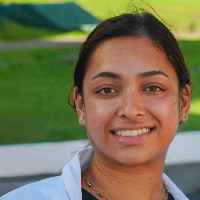
Suranjana Thakuria
Women's Health Initiative, USA
Abstract:
Postpartum depression (PPD) is a common complication of childbirth, affecting approximately 10-20% of new mothers. However, data note that the prevalence of PPD is disproportionately higher among women in underserved populations, including those who are low-income, minorities, and immigrants. For instance, Black women living in socioeconomically disadvantaged neighborhoods experience significantly higher risks of PPD and tend to face multiple, overlapping barriers that delay timely screening, diagnosis, and access to care. Challenges such as lack of insurance coverage, limited access to healthcare providers, transportation difficulties, and inflexible work environments can prevent these mothers from receiving necessary assistance. Cultural stigma surrounding mental health and motherhood is another contributing factor and can discourage disclosure of these symptoms. Language barriers and a lack of culturally competent care can further limit the effectiveness of current screening practices. Common tools like the Edinburgh Postnatal Depression Scale (EPDS), while widely used, may lack cultural and linguistic appropriateness, resulting in self-report bias and variable sensitivity across diverse populations. As well, data suggest that positive screening results do not always lead to proper care follow-through among underserved women, especially when these services are not easily accessible. Improving PPD screening practices and management in underserved populations requires a comprehensive approach that includes culturally tailored interventions, community-based outreach, policy reform, and better integration of social support systems into maternal healthcare systems.
Biography:
Suranjana Thakuria is a rising MS3 at St. George’s University. She is currently exploring various medical specialties, as many areas of medicine interest her. Her research is centered on obstetrics, with a focus on improving the lives of women in underserved communities. She has a long-standing commitment to volunteer work, including regular service in soup kitchens, reflecting her dedication to giving back. Raised in central New Jersey, she is also an avid tennis player. Suranjana aims to build a medical career grounded in patient-centered care.