

Dentistry 2027
Bhandal Dental Group, UK
Title : The Human Side of Dentistry: Clinician Self-Awareness as a Tool for Breaking Cycles of Dental Anxiety
Abstract:
Dental anxiety is commonly attributed to personal traumatic experiences; however, fear of dentistry is often culturally shaped and intergenerationally transmitted. Patients frequently present not only with clinical pathology, but with inherited narratives of pain, mistrust, and vulnerability. While dentistry has advanced technologically, the psychological reciprocity between clinician and patient remains insufficiently explored.
This presentation proposes a transformative model of care that shifts dentistry from a perfection-centered discipline toward a psychologically attuned, relationship-centered practice.
Beyond technical precision, the clinician’s self-awareness plays a critical role in patient outcomes. How do our own expectations of excellence, efficiency, and control influence anxious patients? Are we attentive to subtle body language signaling fear or discomfort? Do we create space for dialogue that validates vulnerability? Drawing on behavioral science principles and reflective clinical practice, this work explores how tone, pacing, non-verbal sensitivity, and trauma-informed communication can redefine the dental experience.
Personalized dentistry must extend beyond customized treatment plans to include emotional intelligence and relational trust. When clinicians consciously shift from pursuing flawless outcomes to fostering psychological safety, they do more than complete treatment; they influence behavior, rebuild trust in healthcare, and potentially interrupt generational cycles of dental fear.
Biography:
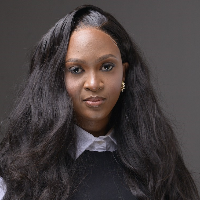
Dr. Thabang Siwela is a dentist trained at Charles University. She began her career in Botswana’s government hospital system before continuing her practice within the United Kingdom’s National Health Service. Working across diverse healthcare environments has shaped her interest in the psychological and cultural influences on oral health behavior. Dr. Siwela advocates for relationship-centered dentistry that integrates clinical excellence with emotional intelligence to foster trust, improve patient experiences, and influence generational oral health outcomes