


Dentistry 2027
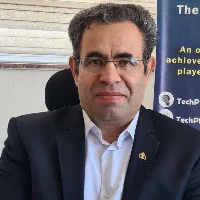
Zanjan Pharmaceutical Nanotechnology Research Center, Iran
Title : Near-infrared responsive hydrogels as emerging wound dressing
Abstract:
One-third of the global mortality is related to bacterial infectious diseases, causing tremendous harm to human health. Skin plays a vital protective role in protecting the body from external harm, thus, it is of special importance to accelerate the treatment of damaged skin tissues especially bacterial infected ones. Benefiting from their favorable biocompatibility, distinctive physicochemical properties, and their ability to simulate the natural extracellular matrix, hydrogels are often used as excellent wound dressings. They have a three dimensional and porous structure and can absorb a large quantity of water, thus providing a moist environment to the wound environment. Due to wounds on the skin being often irregular in shape, conventional hydrogels cannot cover the wounds. Therefore, injectable counterparts have recently gained great attention because of their potential for filling an irregular wound.
Recently, photothermal therapy (PTT) has attracted great interest in the treatment of bacteria-accompanied wounds. Under near-infrared (NIR) light irradiation, a high local temperature (>50 °C) generated by the NIR-active wound dressing or nanosystem kills bacteria. This is mainly due to physical damage (thermal destruction) to bacteria and on demand drug release when an antimicrobial drug is used.
Here, we discuss recent advances on the development of novel photothermally active hydrogels in burn and infected wound healing. In addition, recent achievements at our research group on the design and fabrication of multifunctional hydrogels will be presented. To this aim, combination of PTT with gas delivery and chemodynamic therapy will be discussed in a wound healing process as well
Biography:
Dr. Aziz Maleki is a committed researcher at the Zanjan Pharmaceutical Nanotechnology Research Center (ZPNRC) in Zanjan, Iran. His work focuses on pharmaceutical sciences and nanotechnology, particularly the development of advanced drug delivery systems and innovative therapeutic materials. Dr. Maleki contributes to interdisciplinary research aimed at improving healthcare outcomes through novel pharmaceutical technologies. He actively engages in scientific collaborations and academic initiatives that support innovation and knowledge exchange in nanomedicine. Known for his dedication to research excellence, he continues to advance projects that enhance the safety, efficiency, and accessibility of modern therapeutic solutions.