


Dentistry 2027
Barzilai Medical university Center, Israel
Title : MIH Etiology And Treatment Options
Abstract:
MIH (Molar Incisor Hypomineralization) is a growing worldwide burden. It affects almost 30% of the children aged 6-16 in Israel and is still increasing. The aetiology is obscure since the defect occurs during the first 2-3 years of life but the clinical expression can be observed after first molar erruption, age 6+. It started with dioxin poisoning of mother milk in 1996 and all the childhood diseases and oxigen shortage to genetic mutations recently. Amelogenesis: During the secretory stage of amelogenesis the ameloblasts start secreting large amounts of enamel matrix proteins. Several proteins are secreted: amelogenin (80-90% of the organic matter), ameloblastin (only 5%) and enamelin (3-5%). The enamel proteins are degradated by two proteases: matrix metalloproteinase 20 (MMP20) and kallikrein 4 (KLK4). We examined the concentration of MMP20 and KLK4 from blood samples of 500 children aged 0-6 years and compared with clinical MIH findings after eruption of the permanent molars. In children wigh MIH the concentration of of KLK4 were significantly lower (P value=0.02). The concentration of MMP20 was higher in the MIH group but without statistical significance. In the absence of KLK4, substantial retention of enamel proteins occurs in the enamel. It may be postulated that the retention of the enamel proteins in MIH/dmh teeth was caused by reduced concentration of KLK4.
Biography:
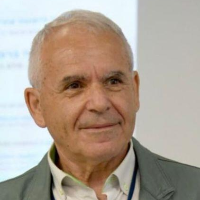
Dr. Zilberman Uri is a distinguished medical professional based in Ashkelon, Israel. He is affiliated with the Barzilai Medical University Center in Ashkelon, which is associated with Ben Gurion University of the Negev, Beer-Sheva. With a commitment to advancing medical education and healthcare, Dr. Zilberman plays a vital role in clinical and academic activities within his institution.