

Cancer 2026
Pakistan Institute of Medical Sciences, Pakistan
Title : Prophylactic Levofloxacin in Pediatric Oncology Patients Undergoing Chemotherapy: A Randomized Controlled Study from a Tertiary Care Center in Pakistan
Abstract:
Updating soon...
Biography:
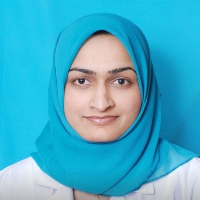
Dr. Hijab Shaheen is a Senior Medical Officer in the Pediatric Oncology Department at Children Hospital, Pakistan Institute of Medical Sciences (PIMS), Islamabad. She holds FCPS in Pediatric Oncology and Hematology (2024) and FCPS in Pediatrics (2018). She has extensive clinical experience in pediatric oncology, infectious diseases, neonatology, and intensive care. Dr. Shaheen has authored multiple peer-reviewed publications on pediatric oncology, chemotherapy-related adverse effects, nutrition, and supportive care. She is an active member of national and international pediatric oncology societies and regularly contributes to academic conferences and research capacity-building initiatives.