

Cancer 2026
Chiang Mai University, Thailand
Title : The enhanced cytotoxic effect of curcumin on leukemic stem cells via CD123-targeted nanoparticles
Abstract:
Treating acute myeloid leukemia (AML) is challenging due to drug resistance and high relapse rates. A key factor in relapse is the presence of leukemic stem cells (LSCs) in the bone marrow, which remain in a quiescent state and evade chemotherapy due to high P-glycoprotein expression. Targeting these LSCs is crucial, and CD123, which is overexpressed in LSCs but not in normal stem cells, presents a promising therapeutic target. This study aimed to enhance the targeting and elimination of LSCs using CD123 and curcumin. Curcumin, a compound from turmeric known for its anti-leukemic properties, suffers from poor bioavailability and rapid clearance. To improve the limitations, curcumin was encapsulated in nanoparticles (nanocurcumin) and conjugated with an anti-CD123 antibody (anti-CD123-Cur-NPs). The cytotoxicity of anti-CD123-Cur-NPs and curcumin-loaded nanoparticles (Cur-NPs) was tested on KG-1a cells, a model for LSCs. Results showed that both Cur-NPs and anti-CD123-Cur-NPs were cytotoxic, with IC50 values of 74.20 ± 6.71 µM and 41.45 ± 5.49 µM, respectively. Importantly, neither formulation affected normal peripheral blood mononuclear cells (PBMCs). Anti-CD123Cur-NPs increased apoptosis in KG-1a cells compared to Cur-NPs and demonstrated higher uptake in KG-1a cells as confirmed by flow cytometry. In conclusion, anti-CD123-Cur-NPs effectively improve curcumin’s bioavailability and target LSCs specifically, offering a promising approach to enhance therapeutic efficacy against AML
Biography:
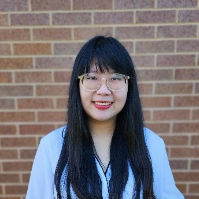
Wariya nirachonkul is a Ph.D. candidate in Biomedical Science at Chiang Mai University, Thailand. She earned a B.S. in Medical Technology with first-class honors from Chiang Mai University in 2017. From 2021 to 2023, she served as a visiting scholar at the Department of Pharmaceutical Chemistry, School of Pharmacy, University of Kansas, gaining valuable international research experience. Their work has been supported by the Royal Golden Jubilee Scholarship from the Thailand Research Fund.