


AIHIRA 2027
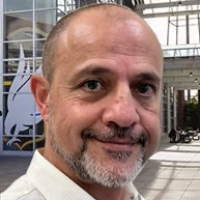
Winthrop University, USA
Title : The good, the bad and the ugly of incorporating machine learning algorithms in signal processing for biomedical engineering
Abstract:
The rapid growth of complex machine learning (ML) tools that are integrated into healthcare calls for increased scrutiny of results. While ML solutions offer exciting opportunities, evidence of limitations and drawbacks when using them in biomedical engineering continues to emerge. None-the-less, the tolerance of an uneven trade-off between error and bias appears to be increasing among healthcare providers. This tolerance exposes the healthcare system to realistic risks of potential failures. Currently, the demand for ML tools outpaces specialized skills needed for development. Although issues like credibility, robustness, safety, explainability, and fairness, appear external to the ML algorithm, we propose that they be considered in the development phase of the model. We argue that building specialized ML models for healthcare requires refined expertise to optimize their training, testing and validation, prior to deploying them in clinical settings. In previous work, we presented a consolidation of reporting guidelines for healthcare researchers and practitioners when developing prognostic or diagnostic tools that use ML methods. We showed that the focus in practice is far from comprehensive nor is consistent. In this talk, we plan to discuss challenges and potential perils to tackle when building ML models for biomedical signal processing. This includes data concerns, algorithm characteristics, experimental approaches, performance assessment and validation strategies. Our objective is to promote and develop reliable and practical guidance for researchers to construct credible, robust, safe, fair, and trustworthy machine learning solutions for healthcare applications.
Biography:
Dr. William Klement is an early-career Assistant Professor of Computer Science and AI at Winthrop University, South Carolina. He specializes in applying and improving machine learning methods for healthcare. He earned his PhD in machine learning at the University of Ottawa and completed various postdoctoral training in clinical and healthcare related research at McGill University, Thomas Jefferson University, University health Network and University of Toronto. He published 23 peer reviewed articles, 23 medical abstracts and various conference papers and workshop proceedings