Address: Zone Hoteliere 2 Allee Du Verger Roissy En France, 95700, Paris, France

Trauma 2026
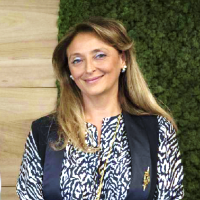
Tor Vergata University Hospital, Italy
Title : Solid Organ Transplantation in Major Emergency Scenarios: Program Viability and Management Strategies
Abstract:
Solid organ transplantation (SOT) is a complex, resource-intensive procedure that during major emergency scenarios (MES), such as military conflicts, pandemics, or healthcare infrastructure collapses, presents outstanding clinical and ethical dilemmas.
Critical disparity between medical demand (specialized staff, pharmacological supply, ICU beds, blood products etc.) and available resources requires a specific focus on strategic guidelines, triage frameworks, and clinical management models.
International consensus strategies, institutional adaptation protocols, and historical data from COVID-19 pandemic and modern conflicts (Syria, Ukraine) were analysed to evaluate organ-specific outcomes and disaster-specific logistics
Liver transplantation program requires selective continuation, prioritizing high-acuity cases (Hyperacute Liver Failure, MELD ≥ 30) due to the lack of medical lifesaving bridging procedures, provided a dedicated post-operative ICU bed and 4-6 blood units are available.
Kidney transplantation programs can temporarily be suspended via maintenance of dialysis; however, cadaveric transplantation proves more resource-efficient under prolonged MES.
Pancreas and living-donor programs should be discontinued to minimize complications and protect healthy individuals.
Immunosuppressant stocking or, in absolute shortage, patient transition to low-dose steroid monotherapy or longer-acting formulations is required.
In pandemics, immunosuppression tapering during active infections, pathway segregation, early discharge protocols and telemedicine optimize outcomes
Despite an initial 40% activity drop during COVID-19 outbreak, Italy’s National Transplant Center minimized to 10% the overall year-2020 decline (lungs –22%, kidneys –12.5%, livers –7.3%, hearts –2.5%) pioneering a landmark protocol for positive donor organ procurement for urgent, immunized candidates. While lung grafts carried high transmission risks, no significant increase in graft failure or recipient mortality for extra-thoracic organ transplants occurred.
Biography:
Professor Maria Teresa Lonardo is a General Surgeon and Faculty Member at Tor Vergata University Hospital, Rome, specialising in Hepato-Bilio-Pancreatic Surgery and Organ Transplantation. She is an authorised transplant surgeon with extensive experience in transplantation, organ procurement, advanced laparoscopy, and emergency interdivisional surgery. She is also the Author and Project Manager of a Trilateral Agreement between Italian and Albanian medical universities, establishing a cross-border healthcare and educational hub for liver and kidney transplantation. Professor Lonardo holds a PhD in Surgical Pathophysiology, a Second-Level Master’s in Hepatobiliary Surgery, and a Healthcare Management degree from LUISS Business School. Her work combines clinical practice, research, and education, including involvement in Phase II/III clinical trials, scientific publications, and tutoring surgical residents and emergency medicine students.