
Address: Zone Hoteliere 2 Allee Du Verger Roissy En France, 95700, Paris, France

Trauma 2026
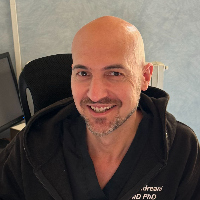
Pisa University Hospital, Italy
Title : Orthopaedic Trauma Management in Mass-Casualty Events: Strategies and Challenges in Low Resource EMT Type 2 Field Hospitals
Abstract:
Background
Mass-casualty events (MCEs), including earthquakes, armed conflicts, floods, and other sudden onset disasters, may generate a rapid influx of patients with complex musculoskeletal injuries while simultaneously compromising local healthcare infrastructure. Emergency Medical Team (EMT) Type 2 field hospitals provide inpatient and surgical emergency care in these environments. Orthopaedic trauma frequently represents a major component of the surgical workload; however, conventional trauma-centre strategies cannot always be transferred directly to resource constrained field settings.
Aim
To describe an operational approach to orthopaedic trauma management during MCEs in EMT Type 2 field hospitals, focusing on surgical prioritisation, damage control orthopaedics (DCO), management of open fractures and soft-tissue injuries, resource allocation, and continuity of care.
Methods
An experience-based operational review was performed integrating WHO EMT principles, disaster-surgery concepts, and preparedness, training, and field-hospital planning experience within the EMT2 Toscana/RescEU framework. The orthopaedic pathway was analysed from initial triage and surgical prioritisation to operative treatment, postoperative management, rehabilitation, referral, and discharge, with particular attention to the limitations of low-resource environments.
Results
Orthopaedic care during MCEs requires a transition from conventional individual-patient optimisation toward a population-based strategy aimed at maximising clinical benefit while preserving surgical capacity. Priorities include haemorrhage control, identification of limb- and life threatening injuries, early debridement of contaminated wounds, fracture stabilisation, infection prevention, and timely reassessment. DCO represents a cornerstone of this strategy. External fixation offers rapid and reproducible stabilisation with relatively limited resource requirements and may serve as temporary or, in selected circumstances, definitive treatment. Open fractures and complex soft-tissue injuries require staged management, repeated debridement when indicated, appropriate antimicrobial prophylaxis, and early consideration of soft-tissue coverage. Decisions regarding limb salvage versus amputation must incorporate not only anatomical and physiological factors but also available reconstructive capabilities, rehabilitation resources, evacuation options, and realistic possibilities for long-term follow-up. Operational preparedness is equally important. Standardised clinical pathways, predefined orthopaedic surgical sets, familiarity with field equipment, multidisciplinary team training, and continuous monitoring of consumables, implants, blood products, operating-room capacity, and postoperative beds are essential to avoid exhaustion of critical resources during prolonged operations.
Conclusions
Orthopaedic trauma management in an EMT Type 2 field hospital requires a different decision making paradigm from that of a conventional trauma centre. Effective care depends on adaptability, DCO principles, staged surgery, multidisciplinary coordination, and resource conscious clinical decisions. In mass-casualty environments, the optimal orthopaedic intervention is not necessarily the most technically sophisticated procedure, but the one that provides safe, reproducible, and sustainable care while preserving the capacity of the field hospital to treat subsequent casualties
Biography:
Lorenzo Andreani, MD, MSc, PhD, FACS, is an orthopaedic surgeon at Pisa University Hospital, Italy, with expertise in musculoskeletal oncology, complex reconstruction, orthopaedic trauma, and disaster surgery. He holds a PhD in Clinical and Translational Sciences and a Master’s degree in Disaster Management and Civil Protection. He is Vice-President of the Gruppo Chirurgia d’Urgenza (GCU) and is actively involved in EMT2 Toscana within the European Civil Protection framework. He is also a member of the WHO Emergency Medical Team Evaluation Team. His main interests in disaster medicine include damage control orthopaedics, mass-casualty management, and surgical care in resource-limited field hospitals.