

WCPR 2027
University of Health Science, Algeria
Title : Multimodal Approach in Physical and Rehabilitation Medicine for Temporomandibular Disorders and Associated Musculoskeletal Pain
Abstract:
Introduction:
Musculoskeletal pain secondary to temporomandibular disorders (TMD) represents a major disability for affected patients. The involved musculature includes the masticatory muscles, as well as the cervical, shoulder girdle, and spinal muscles. Associated clinical symptoms are predominantly characterized by orofacial pain, limitation or deviation of mandibular movements, and joint noises or locking. The multifactorial etiology of these disorders justifies a coordinated, multimodal therapeutic approach, notably involving the Physical Medicine and Rehabilitation (PMR) physician, the occlusodontist, and the physical therapist.
Objective:
To present a practical and structured management strategy for patients suffering from muscular TMD, detailing the respective roles of the PMR physician and the prosthodontist, ranging from medical treatment, patient education, and rehabilitation to the fabrication of reversible occlusal splints.
Methods:
A therapeutic gradient is implemented at the PMR department of Algiers Centre University Hospital, in collaboration with the prosthodontics department, for the management of patients presenting with muscular TMD accompanied by pain and musculoskeletal disorders. This therapeutic gradient encompasses medical treatment, mandibular and cervico-scapular mobilization techniques and exercises, patient education, and the fabrication of reversible occlusal splints.
Results:
Current therapeutic modalities demonstrate the effectiveness of therapeutic exercises on pain and musculoskeletal disorders secondary to TMD. The efficacy of occlusal splints should be interpreted within the overall context of a multimodal management approach. Integrating therapeutic exercises and manual techniques into an individualized strategy appears particularly relevant for improving pain and function at both the mandibular and cervical levels.
Discussion:
The multiplicity of factors involved in TMD requires a patient-centered, progressive, and biopsychosocial approach. The PMR physician plays a key role in coordination and functional assessment, while the occlusodontist provides stomatognathic evaluation and designs orthoses when indicated. Patient education serves as a cross-cutting element that helps reduce parafunctions, promote self-management, and prevent recurrences. Recent international guidelines emphasize mandibular exercises, mobilization, manual techniques, and behavioral approaches in managing chronic pain associated with TMD.
Conclusion: The management of musculoskeletal disorders associated with TMD relies on conservative, reversible treatment grounded in an individualized strategy. This approach contributes to enhancing care coordination and optimizing the treatment of pain and joint limitations.
Keywords:
Musculoskeletal pain; Rehabilitation; Temporomandibular disorder; Neck pain; Orofacial pain; Physical therapy; Occlusodontics; Patient education.
Biography:
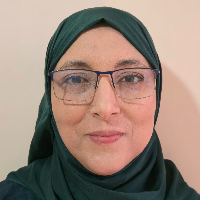
Professor Chouakri is affiliated with the University of Health Science in Algeria. With an academic background in health sciences, Professor Chouakri is associated with the field of healthcare and medical education. Based in Algeria, Professor Chouakri maintains an academic and professional connection with the healthcare sector and is committed to contributing to the advancement of health sciences through academic engagement and professional collaboration.