
Address: Av. Diagonal, 161, 163, Sant Martí, 08018 Barcelona, Spain

WCPR 2027
Fukuoka International University of Health and Welfare, Japan
Title : Dissociation Between Corticospinal Excitability Changes and Motor Performance Following Virtual Reality–Based Motor Imagery Training in Healthy Adults
Abstract:
Motor imagery training has been applied in physical medicine and rehabilitation to promote motor learning without physical movement. Virtual reality–based environments have been introduced to enhance motor imagery practice; however, how neurophysiological changes induced during such training relate to actual motor performance remains unclear. This study aimed to examine the relationship between corticospinal excitability changes during virtual reality–based motor imagery training and changes in motor task performance. Right-handed healthy adults performed repeated motor imagery training of a standardized chopstick manipulation task in a virtual reality environment. Corticospinal excitability was assessed during motor imagery using transcranial magnetic stimulation, and motor evoked potentials were recorded from the first dorsal interosseous muscle. Motor performance was evaluated by measuring task execution time before and after the training period. Motor evoked potential amplitudes showed significant changes over time during motor imagery practice, indicating modulation of corticospinal excitability associated with repeated training. In contrast, motor performance did not demonstrate a statistically significant change following the intervention, and no group-dependent differences were observed. These findings indicate a dissociation between neurophysiological modulation and short-term behavioral outcomes during motor imagery training. The present results suggest that changes in corticospinal excitability induced by virtual reality–based motor imagery training may not be directly reflected in immediate improvements in motor performance. Evaluating both neurophysiological and behavioral outcomes may be essential for understanding the mechanisms and limitations of motor imagery–based interventions in physical medicine and rehabilitation.
Biography:
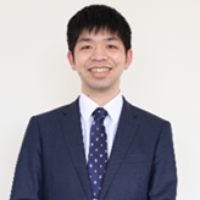
Daiki Matsuda is a researcher specializing in motor imagery and neurorehabilitation. He holds an academic position at Fukuoka International University of Health and Welfare, Japan. His research focuses on the neural mechanisms underlying motor imagery and action observation, with particular emphasis on transcranial magnetic stimulation–based assessment of corticospinal excitability. He is also involved in developing neurofeedback approaches to support motor learning and rehabilitation. His work integrates neurophysiological measures with behavioral and subjective outcomes in rehabilitation sciences.