

Address: Av. Diagonal, 161, 163, Sant Martí, 08018 Barcelona, Spain

WCPR 2027
Malaysian Ministry of Health, Malaysia
Title : Complete Recovery with Functional Return of Incidental Pyogenic Spondylodiscitis with Psoas Abcess
Abstract:
Pyogenic spondylodiscitis with psoas abcess can cause severe morbidity and functional disability. This is a case of a 59-year-old gentleman with underlying Diabetes Mellitus who was initially admitted with left psoas abscess with left perinephric and posterior abdominal wall extension. Percutaneous drainage was inserted and after a course of antibiotics, he was allowed discharge. Prior to discharge, patient was able to ambulate with aid. Repeated ultrasound for reassessment showed residual collection followed with CT scan finding of increasing size of left iliopsoas collections with new collections formation within right psoas, iliopsoas and multiple surrounding areas. There was an incidental finding of L4/L5 spondylodiscitis, paravertebral and invertebral disc abcess with intraspinal extension. Initial symptom was difficulty walking due to pain over lower back hence patient was mostly bedbound. He was started on Gabapentin and Neurobion. Motion range for both lower limbs was limited, power was generally 3/5 for upper limbs, 2/5 for both lower limb flexors and 1/5 for lower limb extensors. Bed mobility and functional ability was poor with Modified Barthel Index (MBI) score of 16. Intensive physiotherapy included regular limb strengthening and stretching exercise, improving endurance by encouraging sitting at the edge of bed during feeding, sit-to-stand exercise followed with therapeutic standing with tilt table and forearm rollator.
He was compliant to limb strengthening exercises and showed positive improvement in muscle strength. After more than a year of intensive therapy and close monitoring, patient was able to ambulate unaided, independent in his daily living and had his career resumed
Biography:
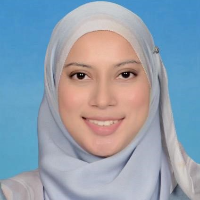
Dr Nurdiana graduated from University College Cork, Ireland in 2013 and is currently working as Medical Officer in Cyberjaya Hospital, Malaysia. She aspires to pursue her career in Rehabilitation Medicine and this is her debut clinical case study in this field which she wishes to pave the way for more clinical research in the future.