
Address: Av. Diagonal, 161, 163, Sant Martí, 08018 Barcelona, Spain

WCPR 2027
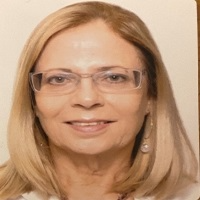
Tel Aviv University, Israel
Title : Craniosacral therapy to reduce spasticity: Lessons learned in multiple sclerosis
Abstract:
Spasticity is one of the major components of upper motor neuron involvement in people with multiple sclerosis (PwMS) and is known to affect between 40% -70% of patients over time. Craniosacral Therapy (CST) is a non-invasive treatment involving light-touch manual therapy to achieve muscle relaxation and is known to have robust effects to reduce chronic pain, but the effects on spasticity have not been studied.Methods: Lower limb spasticity was assessed using the MytonPro® device before and after CST treatment. The CST protocol was designed to release restrictions of the cervical and thoracic spine using standardized 2-hands application of gentle traction, release, and unwinding techniques. Deep, sliding, and gentle pressure was applied for 45 min along the spine. Myometric oscillation frequency, stiffness, decrement, and relaxation recovery time were measured in the rectus femoris, vastus lateralis, vastus medialis, and gastrocnemius, at the central point of each muscle. The percent change in spasticity variables was calculated as the difference between before and after CST adjusted to the baseline measurement. Data was analyzed by Phyton software.
Biography:
Anat Achiron, MD, PhD, is a full Professor of Neurology at the Faculty of Medicine and Sagol School of Neuroscience, Tel-Aviv University and the founder director of the Multiple Sclerosis Center at the Sheba Medical Center, Tel-Hashomer, Israel. Prof. Achiron leads a holistic multidisciplinary approach targeted at the diagnosis, treatment and rehabilitation of patients with multiple sclerosis and her clinical and research team is fully integrated into activities aimed to advance the science and quality of life of patients with multiple sclerosis.
Prof. Achiron's research interests are within the fields of neuroimmunology, and rehabilitation. She has extensively studied multiple sclerosis to better understand disease-related mechanisms using gene expression technology and characterized cognitive performance especially in the very early stages of the disease as well as evaluated gait performance associated with disability. Prof Achiron was involved in research studies evaluating genetic markers associated with the diagnosis of multiple sclerosis, relapse activity and prediction of immunomodulatory treatment response and currently is developing a new rehabilitation approach to assess spasticity and gait impairments in multiple sclerosis.
Prof. Achiron has published widely, with over 300 publications to her name; shehas received numerous grants and scientific awards for her research work in medicine and neurology.