


Obesity 2026
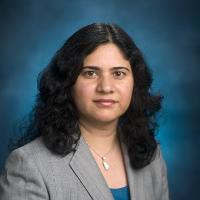
Southern Illinois University, USA
Title : Beyond Willpower: Neurobiological Insights and Practical Tools for Emotional Eating
Abstract:
Emotional eating—consuming food in response to emotions rather than physical hunger—affects the majority of individuals with obesity and represents a barrier that cannot be overcome through willpower alone. This presentation examines the neurobiological mechanisms underlying emotional eating and equips clinicians with evidence-based tools for clinical intervention. Food consumption activates mesolimbic reward pathways, triggering dopamine and serotonin release comparable to antidepressant medications, creating powerful neurochemical reinforcement independent of conscious control. Ultraprocessed foods exploit this neurobiology through combinations of high fat content and glycemic load, with Yale Food Addiction Scale studies demonstrating that pizza, chocolate, and chips elicit addictive-like eating behaviors. The emotional eating cycle is perpetuated by chronic stress-induced cortisol elevation, which suppresses serotonin and dopamine production, driving compensatory food-seeking behavior to restore neurochemical balance. Critical distinction between physical and emotional hunger reveals that emotional hunger appears suddenly, demands specific comfort foods, results in mindless consumption, and terminates only with uncomfortable fullness followed by guilt and shame. This presentation introduces the "5 D" framework (Delay, Distract, Distance, Determine, Decide) as a structured intervention for managing acute cravings. Additional neurobiologically-informed strategies including trigger identification protocols, mindful eating practices, intermittent fasting approaches, sleep optimization for leptin-ghrelin regulation, and recognition of when professional mental health intervention is indicated will be presented. By understanding that emotional needs cannot be satisfied through food consumption, clinicians can guide patients toward appropriate emotional regulation strategies including exercise, social support, mindfulness practices, and therapeutic intervention, moving beyond the ineffective paradigm of willpower-based treatment.
Biography:
Dr. Akshra Verma is an Associate Professor of General Internal Medicine at Southern Illinois University School of Medicine, IL, USA where she serves as Section Chief for Outpatient General Internal Medicine and is the Medical Director of their Federally Qualified Health Center clinics. Dr. Verma brings a comprehensive, evidence-based approach to weight management and lifestyle medicine through her advanced training in culinary and obesity Medicine. Her clinical practice focuses on integrating nutritional, microbiome and lifestyle scientific evidence into practical obesity treatment strategies and supporting patients in achieving improved metabolic health.