


Infectious Diseases 2027
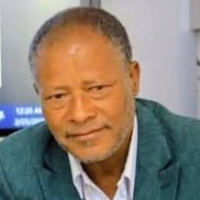
Addis Ababa Science & Technology University, Ethiopia
Title : The impact of four pro- and anti-vaccine myths on vaccine feasibility
Abstract:
For three years (2021-2024) we studied on Are intramuscularly injectable mode of vaccination feasible to stop respiratory based pathogens?. Besides the 3+2 experiment-clinical case study-meta data analysis, our questionnaire, social media assessments and numerous literature show us how myths against vaccines are affecting vaccination. We sort out four groups of myths from: public; politicians, financial beneficiaries, and pseudoscientists. According to such assessments: not few believe that vaccines act like other drugs, some think that vaccines are harmful microbes. Certainly, neglecting vaccine developers and their affiliated Media positions, politicians in most cases side to the advantageous direction. Unfortunately, because of such fallacies, most of us are not willing to be injected. However, the other more serious our finding is relevant scientists deliberately/innocently consider that this mode of vaccination is universal to train the body to be capable in the production of sufficient antibody on time and within every part of the body! Again such myth most probably comes from the Small-Pox and Polio eradication history. Yes, if we neglect the role of implemented others like hard immunity, and created awareness about these viruses, the injectable mode of vaccination considered effective. However, our experimental-clinical case studies, Meta data and literature review show that not all injectable mode of vaccination are capable to trigger the production mechanism of the respiratory organs-based antibodies. Therefore, unless we eliminate at least the 4th myth, which can lead into vaccine hesitancy, alone producing effective vaccine and or vaccination mandatory will not lead us to a feasible result.
Studys justfications will be elaborated during the presentation.
Biography:
Dr. Dessalegn Temesgen Ley has completed his PhD at the age of 28 years from Mosc Biochemistry Institute. After serving as a lecturer at a universitu, now he is a retired. But, intensivelky engaging in research on infectious disrasrs, pedagogy and on doftwsre (including AI) issues
He has published more than 25 papers and has been serving as an reviewer including WHO Bullutein