
Address: Avinguda Diagonal,161-163, 08018 Barcelona, Spain

ICDS 2027
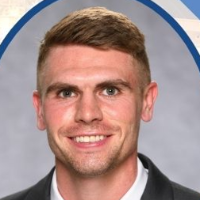
University of Kansas School of Medicine, USA
Title : Trigeminal trophic syndrome: case series and review of surgical treatment strategies
Abstract:
Background Trigeminal trophic syndrome (TTS) is a rare cause of facial ulceration that occurs secondary to trigeminal nerve injury, leading to anesthesia, paresthesia, and subsequent self-manipulation of the skin. This condition presents similarly to other causes of facial ulceration, often creating a diagnostic dilemma with frequent misdiagnosis. Objective The objective of this case series is to present the clinical features, diagnostic approaches, and treatment outcomes of a series of five patients with TTS to help improve understanding of this rare condition and diagnostic accuracy. Methods Patients selected were diagnosed with TTS based on clinical and histopathological findings. Data collected included patient demographics, previous medical and surgical history, clinical presentation, diagnostic workup, treatment approaches, follow-up, and outcomes. Results Review of these cases demonstrate the most common area of ulceration was the nose (80%), a female predominance (80%), and variable age of presentation (38-73 years, average 43). Four patients had biopsy results revealing an absence of malignant or infectious cause of facial ulceration. The latent period from the time of trigeminal nerve insult to skin ulceration ranged from 48-84 months. The duration of ulceration was an average of 27 months. Treatment typically involved topical antibiotics (80%), neurology consultation, and four of the five patients underwent surgical repair for the treatment of TTS. Conclusion Early recognition and an individualized multidisciplinary therapeutic approach are vital in improving patient outcomes and quality of life, as well as preventing recurrence in patients with TTS.
Biography:
Jack Thomas is a third-year medical student from Scott City, Kansas, currently studying at the University of Kansas School of Medicine – Wichita. He completed his undergraduate degree in Biology from Kansas State University. Jack has a strong interest in dermatology as his future specialty. He is also deeply passionate about practicing medicine in rural areas and is committed to serving underserved communities. He is excited to return to Scott City for his family medicine clerkship, where he looks forward to gaining hands-on experience and contributing to patient care in his hometown.