
Address: Avinguda Diagonal,161-163, 08018 Barcelona, Spain

ICDS 2027
Burrell College of Osteopathic Medicine, USA
Title : Systematic Review of Complications Associated With Illicit Injectable Substances: An Analysis of 1,901 Cases from the Global Literature
Abstract:
Illicit injectable substances used for soft-tissue augmentation represent a growing public health concern. Non-medical-grade materials, including biopolymers and industrial silicone, can trigger a chronic inflammatory condition known as iatrogenic allogenosis. This systematic review synthesizes global data to characterize clinical burden, complications, and management patterns. A review was conducted following PRISMA and JBI guidelines, with searches of PubMed and Google Scholar through November 2025 for retrospective cohorts and case series on complications from illicit fillers. Data extraction included demographics, substance type, anatomical location, and clinical outcomes, with bias assessed using validated tools for observational studies. A total of 1,901 cases were identified. The most commonly reported substances were illicit biopolymers and liquid silicone of unknown purity, followed by adulterated polymethylmethacrylate. The gluteal region was the most affected site (>70%), followed by the face, reflecting regional aesthetic practices. Clinical presentations were typically delayed, occurring months to years after injection, and ranged from localized granulomas, fibrosis, and necrosis to severe systemic complications such as hypercalcemia, autoimmune/inflammatory syndrome induced by adjuvants (ASIA), and silicone embolism syndrome. Management most often involved surgical excision combined with immunomodulatory therapy, though complete removal was rarely achievable. These findings highlight the significant morbidity associated with illicit injectable substances, particularly in Latin American populations. The scale of this review underscores iatrogenic allogenosis as a distinct clinical entity and emphasizes the need to address disparities in access to safe, regulated aesthetic procedures to reduce reliance on unsafe alternatives.
Biography:
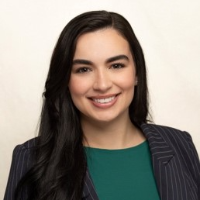
Natalie is a second-year medical student at Burrell College of Osteopathic Medicine and holds a Master’s degree in Biomedical Sciences. She serves as Founder and President of the Dermatology Interest Group and Co-President of the Latin Medical Student Association, with extensive experience in dermatologic research and clinical care.