
Address: Avinguda Diagonal,161-163, 08018 Barcelona, Spain

ICDS 2027
Sri Guru Ramdas Institute of Medical Sciences & Research, India
Title : Missed Opportunities in the Era of Tb Elimination : Erythema Induratum as an Under-recognized and Under-diagnosed Entity
Abstract:
Background Erythema induratum (EI) is a tuberculid characterized by lobular panniculitis with vasculitis.. We, describe here, the clinic-pathological findings in EI at a tertiary centre. Patients & method Patients who underwent skin biopsy between September 2016 and September 2024 with findings consistent with EI were included. The clinical and histopathological findings were tabulated and analysed. Results Eight patients [M=6, F=2; mean age=43.2 ± 16.96 years] were diagnosed with EI. The Mantoux test (PPD) was positive for or all patients. All (8/8) cases had prominent lobular panniculitis and mixed inflammatory infiltrate [neutrophils, lymphocytes and histiocytes]. In five cases (5/8), infiltrate was seen in the dermis as well. Some cases had well-formed tuberculoid granulomas (6/8) as well as fat necrosis (5/8). The histopathological features in the vessels included vessel wall infiltration (8/8), edema of the vessel wall (8/8), endothelial swelling (8/8), fibrous thickening of vessel wall (2/8) and luminal occlusion (1/8) Discussion Erythema induratum is classically seen in middle-aged females; however, we found males outnumbered females in this case series. Detection of only eight cases over almost a decade may present a skewed picture of low prevalence in an area of high endemic country like India. Possible reasons for this could be low index of clinical suspicion, refusal for biopsy, initial presentation to a non-dermatology specialist or inadequate/inappropriate biopsy specimen. Although, large series have been described in other countries, there are few studies reporting EI in Indian population.
Biography:
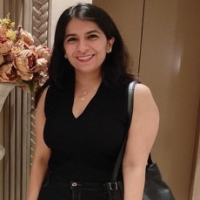
Dr. Divjot Kaur Arora has completed her M.D. residency in Dermatology from Dayanand Medical College & Hospital, Ludhiana and currently working as a Senior Resident at Sri Guru Ramdas Hospital, Amritsar. She has more than 10 presentations, 2 publications and 1 chapter.