
Address: Zone Hoteliere 2 Allee Du Verger Roissy En France, 95700, Paris, France

Autism Congress 2026
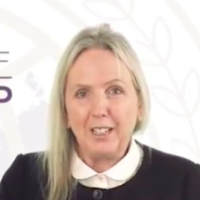
National Autism Assessment Centre, UK
Title : Scaling Sense-Making in Autism Pathways: An Innovative Neurodiversity Insight Screening Model
Abstract:
Background: Autism diagnostic services internationally are experiencing sustained pressure due to rising referral rates, prolonged waiting times, and high levels of inappropriate pathway escalation (Lord et al., 2018). Conventional screening approaches often rely on binary outcomes that fail to capture the complexity of neurodevelopmental presentations and offer limited support for early decision-making (Pellicano et al., 2014). There is increasing recognition of the need for neurodiversity-affirming, scalable models that support sense-making and triage prior to diagnosis (Fletcher-Watson and Happé, 2019). Aim: To describe the development and early service evaluation of an innovative Neurodiversity Insight Screening Assessment designed to improve pathway accuracy, clinical decision-making, and scalability within autism diagnostic systems. Methods: A mixed-methods service evaluation was undertaken during early implementation. The screening model integrates standardised screening measures with structured clinical formulation, tailored to age, communication profile, behavioural presentation, and co-occurring conditions. Rather than producing a binary referral outcome, the model generates a strengths-based formulation and targeted recommendations. Outcomes included pathway accuracy, clinician confidence, and service-level efficiency indicators. Results: Early findings indicate that the model supports more nuanced triage, reducing inappropriate referrals and diagnostic bottlenecks while identifying alternative or co-occurring needs such as ADHD, sensory processing differences, anxiety, trauma, physiological factors, and environmental contributors. Clinicians reported improved confidence in pathway decision-making, with clearer prioritisation of diagnostic resources. The modular design supports implementation across settings with varying workforce capacity. Conclusion: The Neurodiversity Insight Screening Assessment represents a scalable innovation in autism pathway design, shifting screening from a gatekeeping function to a structured sense-making and decision-support process. Such models may enhance efficiency, equity, and experience within overstretched autism diagnostic systems internationally.
Biography:
Dr Jill Aylott, PhD, MBA, PgCert(Ed), RN is a global health systems strategist and Founder of the National Autism Assessment Centre (NAAC), where she leads the design and delivery of scalable, governance-led autism diagnostic services across the United Kingdom. She has pioneered the Neurodiversity Insight Screening™ model an innovative, evidence-informed framework providing structured insight, wellbeing measurement and practical, solutions-focused guidance for families while they await formal diagnostic assessment, addressing critical delays within overstretched health systems.
A doctoral-qualified nurse, Dr. Aylott develops clinically defensible, ICD-11 aligned neurodevelopmental pathways that integrate research, regulatory compliance and real-world implementation. Her academic work explores leadership, collective sensemaking and patient safety culture in complex healthcare environments.
Internationally, she advances health system capacity development and workforce sustainability through fellowship programmes and strategic partnerships in Nepal, India, Ethiopia and Nigeria, contributing to the strengthening of Universal Health Coverage across low- and middle-income countries.