
Address: Zone Hoteliere 2 Allee Du Verger Roissy En France, 95700, Paris, France

Autism Congress 2026
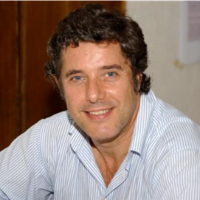
University of Catania, Italy
Title : Modeling Neurodiversity with Minibrain Neurotechnology: From Bench to Clinics
Abstract:
Autism Spectrum Disorders (ASD) are heterogeneous pathological conditions characterized by difficulties in establishing social contacts and the manifestation of repetitive behavior. An atypical trajectory of brain maturation, impaired neurogenesis, synaptogenesis, and an imbalance in the excitatory and inhibitory systems of the CNS form the morphofunctional basis of the ASD. These pathological changes appear at different stages of brain maturationThey are the result of multifactorial environmental influences. To understand the functioning of this complexly organized system in time and space, a three-dimensional model is needed. The closest in vitro model of the human brain from early embryonic stages to aging is brain organoids. Human brain organoids are self-organizing three-dimensional cell aggregates derived from pluripotent stem cells (hiPSCs). Organoids summarize neurogenesis, gliogenesis, synaptogenesis, cell migration and cell differentiation, gyrification of the cerebral cortex, reflect the connections of brain regions. The use of a 3D brain model makes it possible to simulate diseases, reactions to drugs in cells obtained from patients.The use of telencephalon organoids in the ASD model revealed that neuronal migration deficiency, acceleration and disruption of cell cycle synchronization, aberrant cell proliferation, abundant synaptogenesis, temporary deviations in the development of the cortex, increased branching of neurons, unbalanced inhibitory differentiation of neurons, high activity of ion channels are the result of impaired activity FOXG1. FOXG1 is responsible for the overproduction of GABAergic neurons. The shift towards GABAergic neurons induced by FOXG1 is positively correlated with the severity of ASD symptoms and is seen as a precursor to the future of ASD. An example of assessing early intrauterine environmental exposure to neurons in the developing brain is a study of the effects of Valproic acid (VPA) on forebrain organelles (hFOs). Exposure to VPA leads to the expression of genes associated with the risk of ASD, disruption of synaptic transmission, imbalance of some signaling pathways, including the oxytocin signaling pathway, which is associated with the etiology of ASD. Thus, ASD as a socially significant disease with a heterogeneous type of inheritance, multi-link pathogenesis, realized in different periods of ontogenesis and involving different brain loci, requires special attention of researchers for the personification of diagnosis and therapy. The hiPSCs can provide insight into the cellular mechanisms underlying ASD as a neuropsychiatric disorder, providing access to the development of platforms for in vitro drug screening and patient-tailored therapy.
Biography:
Prof. Vittorio Calabrese, Graduated in Medicine on 1984 at the University of Catania, after specialization in Neurology, on 1988 at University of Catania, since 1996 was Researcher at the Department of Biochemistry, School of Medicine, University of Catania. By 2001 to date Prof. Calabrese is a Professor of Clinical Biochemistry at the School of Medicine and Surgery and actual Director of School of Specialization in Clinical Pathology and Clinical Biochemistry, University of Catania and University of Messina. He is member of the Editorial Board of several high peer reviewed journals including: Journal of Neuroscience Research; Neurochem Research; Antioxidant Redox Signaling; Journal Neurochemistry; Free Radical Biology Medicine; Current Neurovascular Disorders. He has been reviewer of national projects (Italian MIUR), and many foreign projects for foreign institutions. He has been member of the ASN Commission (05/E1) of the Italian MIUR for the year 2013 and 2014. He is member GEV -Area 5 - Scienze biologiche -for the year 2020-2022, as well as member AVA (ANVUR) for the year 2021-2022. His research focuses on the role of free radicals and antioxidants in human disease, particularly Alzheimer's disease and other brain disorders. His interest in identifying the most important antioxidants in the human diet and in developing novel antioxidants has critical bearing on treating human diseases and understanding how diet might cause or prevent them. Areas of his research interests includes role of Oxidative Stress and Mitochondrial dysfunction in Aging, Neurodegenerative disorders and Longevity; Proteomics and redox proteomics, Heat shock signal pathway Hormesis and Vitagenes in Neurodegeneration. The results of his researches have been reported in over 328 scientific papers published in outstanding international journals and widely cited (around 21,735 total citations), for an h Index value of 90 (ISI). He has deposited the patents (Nr. WO 2004/07883 A1 of 10.9.2004) for the use of curcumin and its derivatives in the treatment neurodegenerative disorders; and (Nr. US20040167217) Neuroprotective effects of polyphenolic compounds.