Millennium Hotel Paris Charles De Gaulle
Address: Zone Hoteliere 2 Allee Du Verger Roissy En France, 95700, Paris, France

World Congress on
Autism Research & Innovation
October 15-16, 2026 | Paris, France

Autism Congress 2026
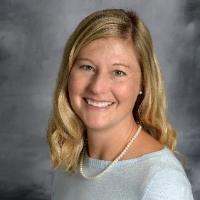
Catherine Sargent
Lesley University, USA
Abstract:
Autistic youth frequently encounter barriers to participation and belonging in community settings, while autism research and program design have historically prioritized deficit-based frameworks and non-autistic perspectives. This study centers autistic advocacy and representation by amplifying the lived experiences of autistic youth ages 13–18 participating in extracurricular community programs in Massachusetts. Grounded in critical disability theory, critical autism studies, ecological systems theory, and intersectionality, the study examines how autistic youth experience inclusion, connection, self-expression, and agency within systems largely designed without their input.
Using participatory photovoice methods, seven autistic youth contributed participant-generated photographs and engaged in semi-structured interviews. Data were analyzed inductively through thematic analysis and the SHOWeD framework. Findings highlight five themes: social dynamics and connection, the impact of neurodiversity, self-perception and identity, resilience and self-advocacy, and inclusive program design. Participants described both meaningful belonging and systemic exclusion. Advocacy emerged when youth were supported to express their needs, pursue interest-driven participation, and challenge rigid norms, while lack of awareness and stigma often led to masking and marginalization. By centering autistic youths’ voices, this study challenges ableist assumptions embedded in research and practice and demonstrates how authentic representation can inform more inclusive, responsive, and empowering community programs. The findings underscore the necessity of moving beyond inclusion as access toward shared power, voice, and neurodiversity-affirming change.
Biography:
Catherine A Sargent, Ph.D.,
is a licensed mental health counselor and licensed applied behavior analyst in
Massachusetts. She has been working with children and families for over 25
years. She is the founder and president of Sargent Child and Family Services, a
multidisciplinary clinic providing neurodiversity-affirming services to
children, adolescents, and families. Dr. Sargent earned her doctorate in
Counseling Psychology from Lesley University, where her research centers on autistic
youths’ lived experiences in community and extracurricular settings using
qualitative and participatory methods. Her professional interests include
inclusive program design, identity development, and amplifying autistic voices
in research, practice, and policy.