
Address: Zone Hoteliere 2 Allee Du Verger Roissy En France, 95700, Paris, France

Autism Congress 2026
National Autism Assessment Centre, UK
Title : Beyond Screening: Parent-Reported Outcomes from a Neurodiversity Insight Model in Autism Pathways
Abstract:
Background: Families awaiting autism diagnostic assessment frequently report high levels of uncertainty, anxiety, and limited access to meaningful support during prolonged waiting periods (Lord et al., 2018). Screening processes commonly focus on eligibility for diagnosis rather than supporting parental understanding, confidence, and agency (Pellicano et al., 2014). Parent empowerment and self-determination are increasingly recognised as critical outcomes of ethical, person-centred autism services (Ryan and Deci, 2017; Fletcher-Watson and Happé, 2019).
Aim: To evaluate parent-reported outcomes associated with a Neurodiversity Insight Screening Assessment, with a focus on empowerment, confidence, and perceived usefulness in supporting autistic and neurodivergent children.
Methods: As part of a mixed-methods service evaluation, parents whose children completed Neurodiversity Insight Screening provided feedback through structured questionnaires and qualitative interviews. The screening process combined standardised measures with collaborative formulation and parent training, producing a neuroaffirmative support plan applicable across home and school contexts. Outcomes explored included parental understanding, confidence, anxiety, and perceived agency in decision-making.
Results: Parents reported increased clarity regarding their child’s strengths and needs, reduced uncertainty, and improved confidence in implementing practical support strategies. Collaborative formulation and targeted guidance prior to diagnosis were identified as particularly valuable. Parents described feeling more empowered to advocate for appropriate support and to make informed decisions about next steps, regardless of access to immediate diagnostic assessment.
Conclusion: Neurodiversity-informed screening models that prioritise parental understanding and agency can deliver meaningful benefits beyond pathway triage alone. Embedding empowerment-focused outcomes within autism screening may reduce harm associated with delayed diagnosis and improve family experience across autism services.
Biography:
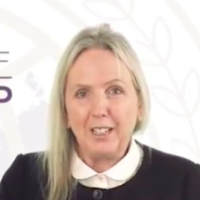
Dr Jill Aylott, PhD, MBA, PgCert(Ed), RN is a global health systems strategist and Founder of the National Autism Assessment Centre (NAAC), where she leads the design and delivery of scalable, governance-led autism diagnostic services across the United Kingdom. She has pioneered the Neurodiversity Insight Screening™ model an innovative, evidence-informed framework providing structured insight, wellbeing measurement and practical, solutions-focused guidance for families while they await formal diagnostic assessment, addressing critical delays within overstretched health systems.
A doctoral-qualified nurse, Dr. Aylott develops clinically defensible, ICD-11 aligned neurodevelopmental pathways that integrate research, regulatory compliance and real-world implementation. Her academic work explores leadership, collective sensemaking and patient safety culture in complex healthcare environments.
Internationally, she advances health system capacity development and workforce sustainability through fellowship programmes and strategic partnerships in Nepal, India, Ethiopia and Nigeria, contributing to the strengthening of Universal Health Coverage across low- and middle-income countries.