

Autism Congress 2027
CognitiveBotics Mena, UAE
Title : Artificial Intelligence in Autism Early Intervention: A Technology-Driven Approach to Speech and Language Support
Abstract:
The use of artificial intelligence (AI) in speech-language pathology (SLP) is expanding rapidly in response to increasing service demands, limitations in therapy intensity, and the need for accessible, engaging early intervention models particularly for autistic children and those with neurodevelopmental communication differences. Recent research highlights the potential of AI-driven and digital therapy tools to enhance personalization, increase practice frequency, and support clinician-guided home programs when ethically and clinically implemented. This presentation introduces an AI-based, gamified intervention platform (Enara) designed to support early communication development through adaptive, play-based activities and real-time performance tracking. The platform integrates principles from speech-language therapy, occupational therapy, and behavioral science to create an engaging and responsive learning environment for young children. As proof of concept, a single-case study is presented involving a minimally verbal autistic toddler who participated in a 24-week home-based intervention program using the platform, combined with weekly teletherapy support from a speech-language pathologist. Outcomes were evaluated using standardized language assessment (Preschool Language Scale–5), platform-generated progress data, and caregiver feedback. Post-intervention results demonstrated gains of approximately 10–12 months in receptive and expressive language skills, alongside observable improvements in engagement, imitation, and functional communication during daily routines areas commonly impacted in early autism development. These findings align with emerging evidence supporting the role of AI as a complementary tool in contemporary SLP practice. This case study illustrates the potential of AI-driven, gamified platforms to enhance early speech and language intervention for autistic children when embedded within clinician-guided and parent-mediated models that align with neurodiversity-affirming principles.
Biography:
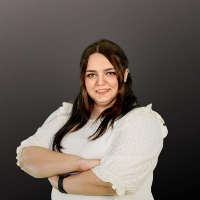
With over 17 years of experience across hospitals, schools, and clinical settings, Atoosa Zangeneh is a DHA-licensed Speech and Language Pathologist dedicated to empowering children through collaborative, family-centered care. Currently serving as a Senior Therapist, she specializes in digital therapy and the application of AI in HealthTech, with a focus on inclusive solutions for neurodiverse individuals. In addition to her clinical expertise, she is actively involved in research on AI-guided therapy outcomes, early intervention models and neurodiversity affirming approaches. She also provides training for therapists and parents, bridging clinical practice, technology, and family engagement.