


Autism Congress 2027
All of Us Athletics, USA
Title : Advocating for Your Autistic Athlete
Abstract:
Autistic athletes often navigate sport environments that are not designed with their needs, preferences, or strengths in mind. As a result, misunderstandings around communication, behavior, and performance can create barriers to participation and development. This presentation focuses on practical advocacy strategies that support autistic athletes in accessing positive, effective, and inclusive sport experiences. Drawing on insights from coaching practice, athlete experiences, and research in neurodiversity, this session explores how parents, coaches, and support staff can work together to better understand and represent the needs of autistic athletes. Key areas include communicating preferences clearly, preparing for new environments, and identifying potential challenges before they become barriers. Participants will learn how to advocate within common sport settings by collaborating with coaches, requesting reasonable adjustments, and promoting strengths-based approaches to training and competition. Strategies such as establishing predictable routines, clarifying expectations, and supporting sensory needs will be discussed as ways to improve both performance and athlete wellbeing. Importantly, advocacy is framed not as conflict, but as collaboration. When done effectively, it helps create environments where autistic athletes can succeed, feel understood, and remain engaged in sport long-term. This presentation provides practical tools and language that families and practitioners can use immediately, while also encouraging a broader shift toward more inclusive and responsive sport systems.
Biography:
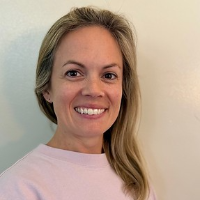
Jenna Minter is a neurodivergent educator whose work is rooted in expanding access, autonomy, and inclusion. She holds a Bachelor’s degree in Early Childhood Education and a Master’s degree in Special Education. With 20 years of experience as an educator working with both children and adults, she integrates teaching, coaching, and relational practice to support confidence, skill development, and self-efficacy. A core component of her work is a coaching-based model that empowers individuals, emphasizing collaboration, capacity-building, and shared problem-solving.